Profile
Koshi Province Profile
Demographics, human development, Maithili-Nepali identity, and the leaders who shaped Nepal — all from one province.
Demographics
Biratnagar offers a perfect subsample of the Koshi province's demographics: a rich mixture of hill and terai communities, Marwari merchants, and Muslim population, with Maithili and Nepali being the most spoken languages.
Population
2021 National Census
Languages Spoken
Major Communities
Human Development Index
Koshi is one of Nepal's strongest-performing provinces in human development — leading the country since the first measurements in 1996 and projected to remain at the top through 2026.
Provincial HDI Trend
Koshi Province vs. National Average, 1996–2026 (2016–2026 are estimates)
The Human Development Index (HDI) is a composite measure combining life expectancy (health), education attainment (literacy and school enrollment), and per-capita income (purchasing power parity). Values range from 0 to 1 — above 0.5 is classified as "medium" human development, above 0.75 as "high." Koshi Province crossed the medium threshold by 2006 and has maintained its lead consistently.
District-Level HDI Comparison
All 14 districts of Koshi Province, 1996–2011. Click column headers to sort.
| District | 1996 | 2001 | 2006 | 2011 ▼ | Change ▼ | Trend |
|---|---|---|---|---|---|---|
| 1 Ilam | 0.531 | 0.521 | 0.543 | 0.578 | +8.9% | |
| 2 Terhathum | 0.531 | 0.523 | 0.543 | 0.575 | +8.3% | |
| 3 Dhankuta | 0.531 | 0.507 | 0.543 | 0.570 | +7.3% | |
| 4 Sunsari | 0.488 | 0.500 | 0.519 | 0.570 | +16.8% | |
| 5 Jhapa | 0.488 | 0.494 | 0.519 | 0.565 | +15.8% | |
| 6 Morang (Biratnagar) | 0.488 | 0.531 | 0.519 | 0.562 | +15.2% | |
| 7 Solukhumbu | 0.424 | 0.479 | 0.519 | 0.558 | +31.6% | |
| 8 Khotang | 0.531 | 0.442 | 0.543 | 0.552 | +4.0% | |
| 9 Panchthar | 0.531 | 0.483 | 0.543 | 0.552 | +4.0% | |
| 10 Sankhuwasabha | 0.424 | 0.481 | 0.519 | 0.546 | +28.8% | |
| 11 Taplejung | 0.424 | 0.467 | 0.519 | 0.545 | +28.5% | |
| 12 Bhojpur | 0.531 | 0.472 | 0.543 | 0.537 | +1.1% | |
| 13 Udayapur | 0.531 | 0.488 | 0.543 | 0.533 | +0.4% | |
| 14 Okhaldhunga | 0.531 | 0.481 | 0.543 | 0.529 | +-0.4% |
Click any column header to sort. Data: Nepal Human Development Reports 1998–2014.
What the district data tells us
Ilam, Terhathum, and Dhankuta lead the province — hill districts where education attainment and health infrastructure have historically been strong. Ilam's tea-driven economy and Dhankuta's role as a regional education hub contribute to their sustained performance.
Sunsari and Morang (home to Biratnagar) benefit from industrial and commercial activity but face challenges with urban inequality that moderate their overall HDI despite strong economic output.
Solukhumbu shows the most dramatic improvement (+31.6% from 1996 to 2011), likely driven by tourism infrastructure around the Everest region and targeted development programmes.
Okhaldhunga and Udayapur trail slightly, reflecting the persistent challenges of remote geography, limited road connectivity, and fewer economic opportunities in Nepal's mid-hills.
Source & Methodology
Data sourced from: Dhungel, S. (2018). "Provincial Comparison of Development Status in Nepal: An Analysis of Human Development Trend for 1996 to 2026." Journal of Management and Development Studies, Vol. 28, pp. 53–68. Nepal Administrative Staff College. Read the full paper →
Base data are derived from Nepal Human Development Reports published by UNDP (1998, 2004, 2009, 2014). HDI values for 1996, 2001, 2006, and 2011 are observed from these reports. Values for 2016, 2021, and 2026 are estimates extrapolated from trend analysis using regression and Lagrange interpolation, as described in the paper. The paper uses the former designation "Province 1" which is now officially Koshi Province.
HDI is calculated as the geometric mean of life expectancy index, education attainment index (adult literacy + mean years of schooling), and per-capita income index (PPP $). Classification: <0.5 = low, 0.5–0.75 = medium, >0.75 = high human development.
Festivals & Traditions
Chhath Puja →
The most significant festival in Biratnagar and the Terai. Families gather at rivers and ponds to pay homage to the Sun God with elaborate rituals spanning four days. The city transforms — streets fill with devotees carrying offerings at dawn and dusk. Deeply rooted in Mithila culture.
Shree Radha Krishna Rath Yatra →
A grand 9-kilometre chariot procession through Biratnagar with 44 stops, drawing thousands of devotees. The Rath Yatra celebrates the divine journey of Radha and Krishna and has become one of the city's most spectacular annual events, blending devotion with community celebration across the metropolitan area.
Dharan Run →
An annual road race in Dharan that has grown into one of eastern Nepal's biggest sporting events. Draws thousands of runners from across the country and promotes health, tourism, and community pride in the hill city just 40 km from Biratnagar.
Birat Expo →
Biratnagar's annual innovation, investment, and agro-industry expo at Degree Campus. Features B2B partnerships, tech showcases, cultural programs, and local food festivals. The 2025 edition ran January 24 to February 2 with hundreds of stalls.
Notable People
Five Prime Ministers, Bollywood stars, national cricketers, and countless leaders — Biratnagar has shaped Nepal's story like no other city.
Politics & Leadership
A Chief Justice who became interim PM, and countless leaders who shaped Nepal's democratic journey — all from one city.
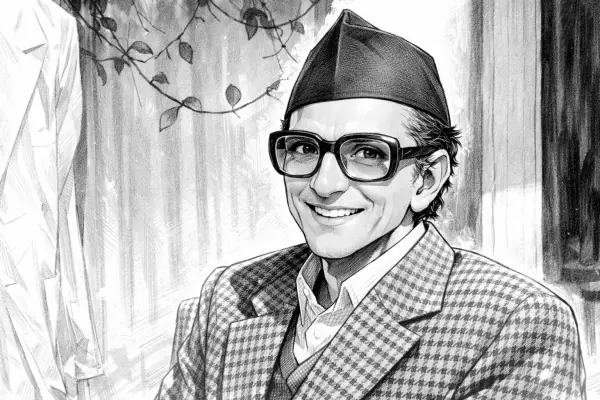
Bishweshwar Prasad Koirala
First Democratically Elected Prime Minister of Nepal
1914 – 1982
B.P. Koirala was Nepal's first democratically elected Prime Minister and a towering figure in the country's democratic movement. A son of Biratnagar, he led the fight against the Rana autocracy.
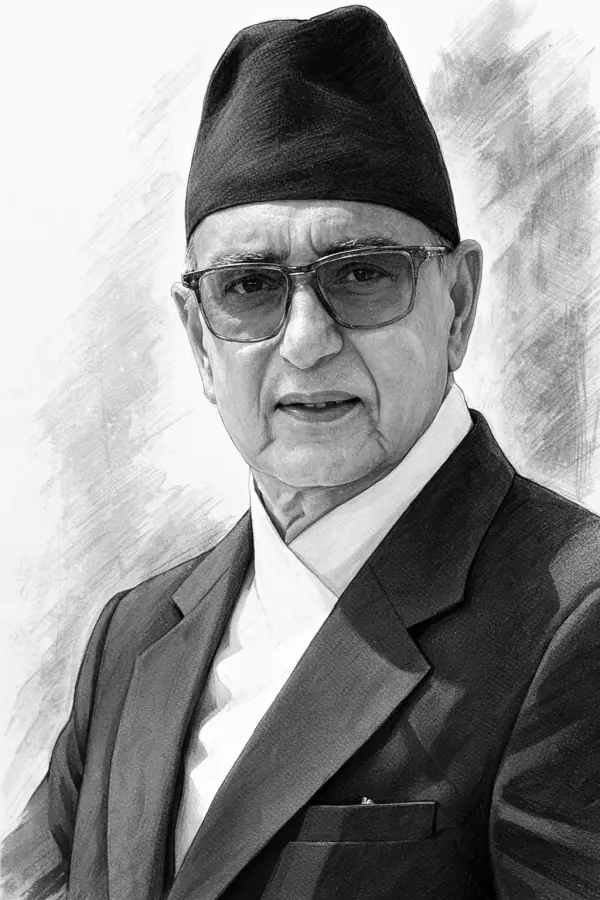
Girija Prasad Koirala
Four-time Prime Minister of Nepal
1925 – 2010
Girija Prasad Koirala served as Prime Minister of Nepal four times and was a central figure in every major democratic movement in Nepal's modern history. He began his political career in the Biratnagar Jute Mill.
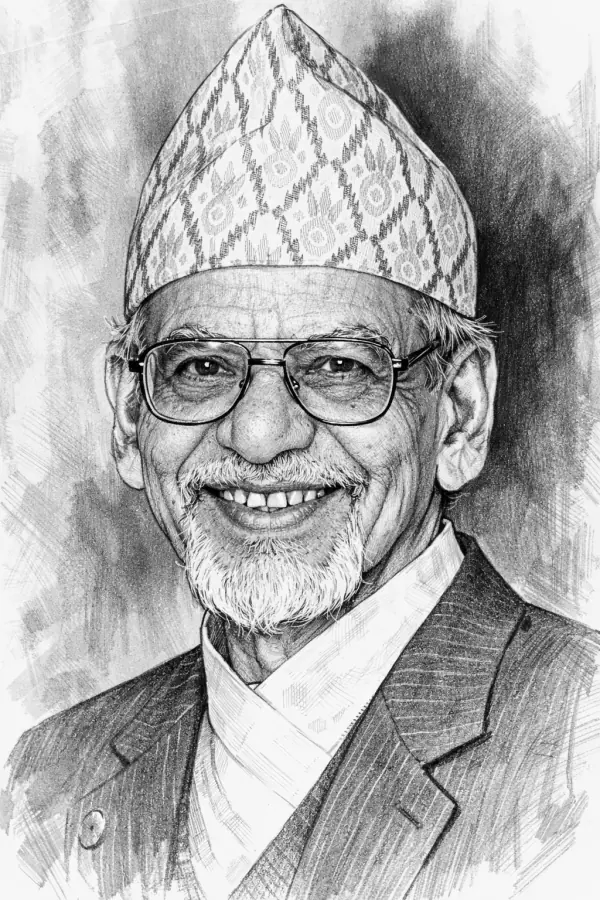
Man Mohan Adhikari
First Communist Prime Minister of Nepal
1920 – 1999
Man Mohan Adhikari made history as Nepal's first communist Prime Minister, leading a minority government in 1994–95. A veteran of the democratic movement, he had deep roots in Biratnagar's political landscape.
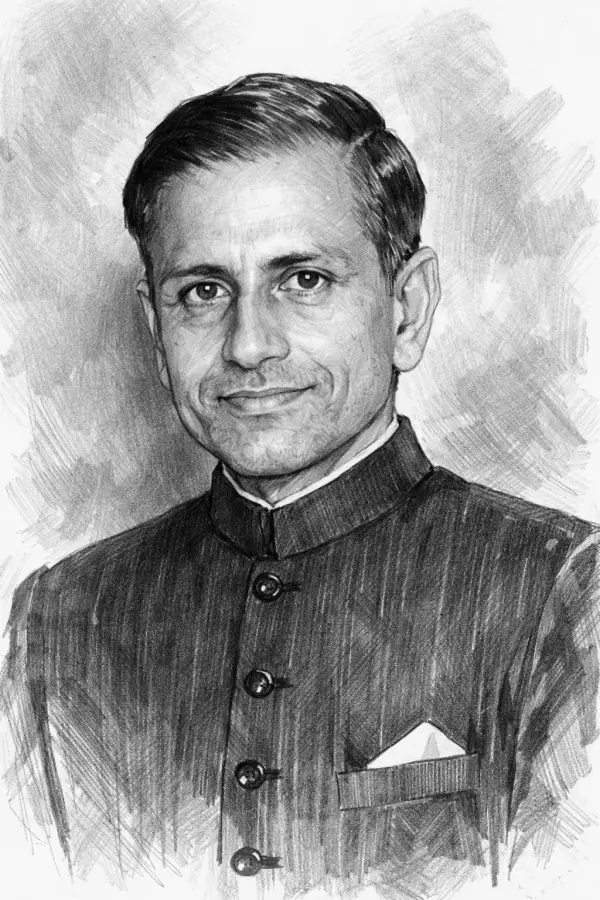
Matrika Prasad Koirala
First Prime Minister of Democratic Nepal
1912 – 1997
Matrika Prasad Koirala served as the first Prime Minister after the 1951 revolution that ended Rana rule. The eldest of the Koirala brothers from Biratnagar, he led Nepal's first democratic government.
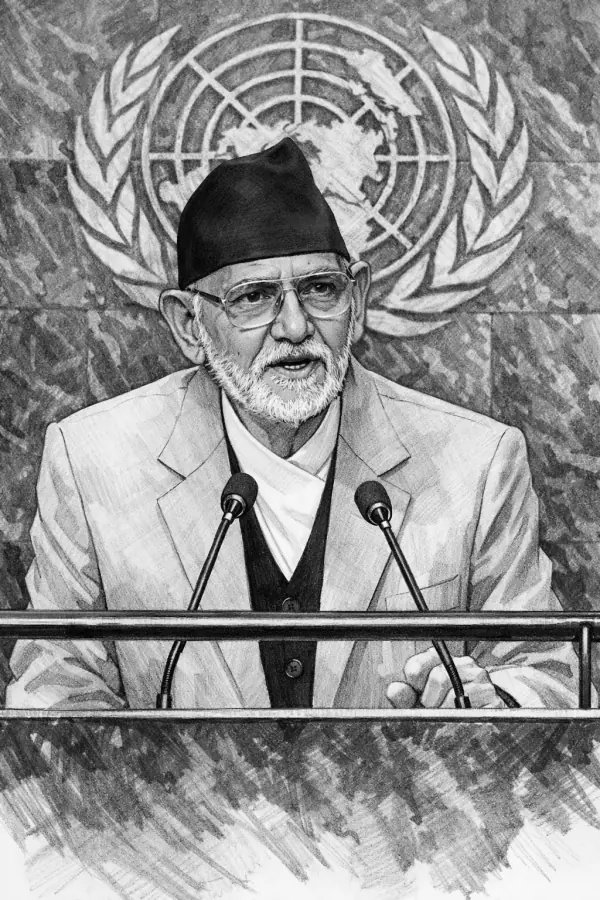
Sushil Koirala
Former Prime Minister & Father of Nepal's Constitution
1939 – 2016
Sushil Koirala served as Prime Minister of Nepal from 2014 to 2015 and oversaw the promulgation of Nepal's landmark 2015 constitution, earning him the title 'Father of the Constitution.' Born in Biratnagar into the famed Koirala political family.
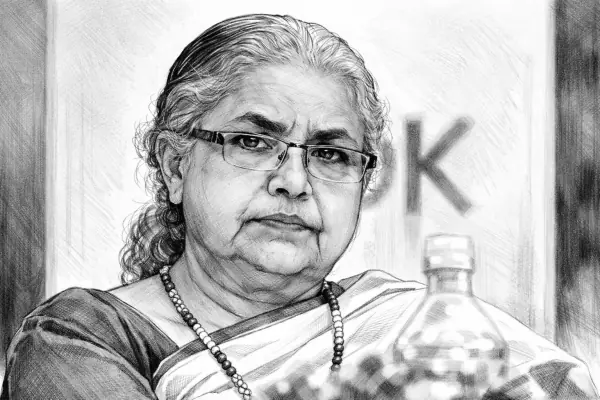
Sushila Karki
Former Interim Prime Minister & Chief Justice of Nepal
1952 – present
Sushila Karki served as Nepal's interim Prime Minister from September 2025 to March 2026, becoming the first woman to hold this office. She successfully organized free and fair elections after the Gen-Z protests that toppled the Oli government.
Arts & Entertainment
From Bollywood stardom to the golden age of Nepali cinema — Biratnagar's artists have captivated audiences across South Asia and beyond.
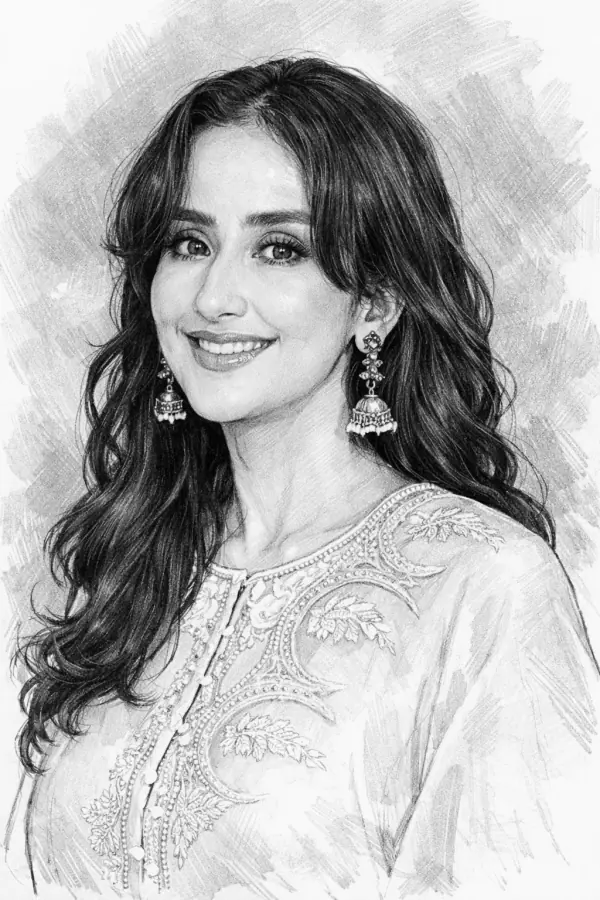
Manisha Koirala
Internationally Acclaimed Actress & UNFPA Goodwill Ambassador
1970 – present
Manisha Koirala is a Nepali-born Bollywood actress, cancer survivor, and UNFPA Goodwill Ambassador. One of the most popular Indian film actresses of the 1990s, she has starred in landmark films including Bombay, Indian, and Company.
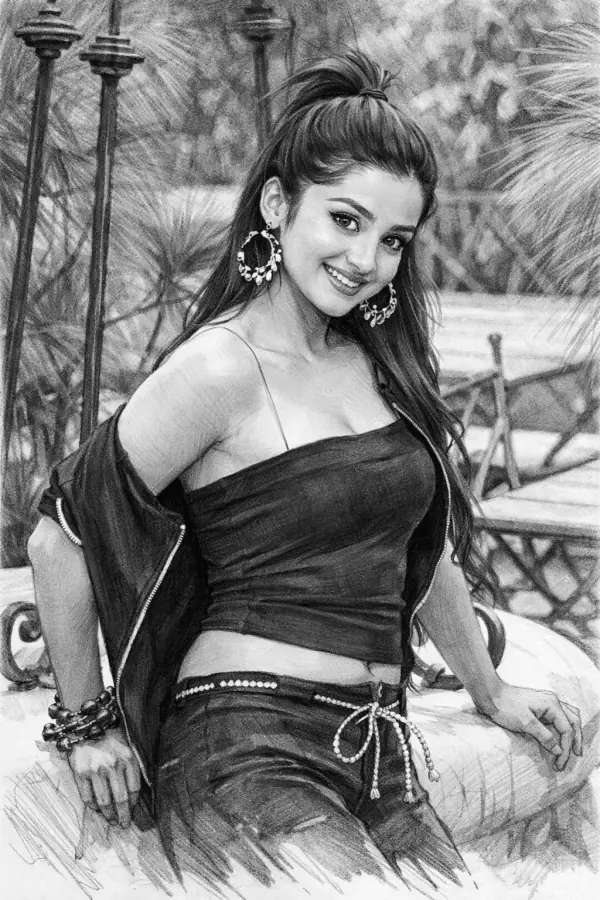
Arunima Lamsal
Acclaimed Nepali Film Actress
1986 – present
Arunima Lamsal is a Nepali actress born in Biratnagar who rose to prominence in the early 2000s as one of Nepali cinema's leading ladies. Daughter of veteran actress Radha Lamsal, she won the Best Supporting Actor award at the Box Office Film Awards 2010.
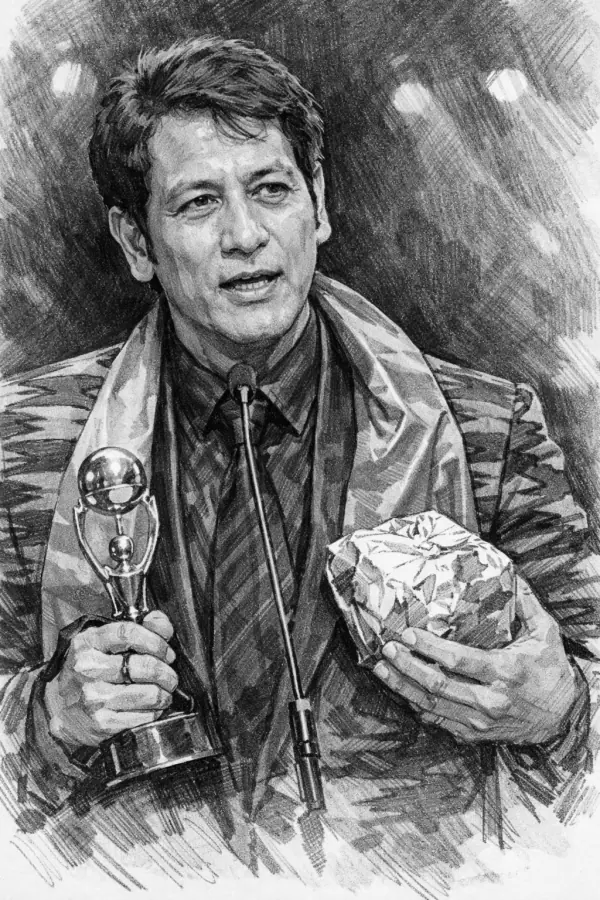
Shiv Shrestha
Legendary Nepali Film Actor — The 'Action King'
1953 – present
Shiv Shrestha, known as the 'Action King' of Nepali cinema, has been a towering figure in the industry since his 1982 debut in Jeevan Rekha. Born and raised in Biratnagar, his career spans Nepali, Pakistani, Bangladeshi, and Japanese cinema.
More Notable Figures
From politicians to poets to national cricketers — more people who carry the city's legacy.
Politics & Public Service
- ◆ Shailaja Acharya — Nepali Congress politician & former Deputy PM
- ◆ Upendra Yadav — People's Socialist Party, Nepal politician
- ◆ Sujata Koirala — Nepali Congress leader
- ◆ Shekhar Koirala — Nepali Congress politician
- ◆ Bharat Mohan Adhikari — CPN (UML) leader
- ◆ Lal Babu Pandit — Nepal Communist Party politician
- ◆ Mahesh Acharya — Nepali Congress politician
- ◆ Tarini Prasad Koirala — Nepali Congress leader
Arts, Entertainment & Culture
- ◆ Sushila Koirala — Classical dancer, theater director, and wife of B.P. Koirala
- ◆ Suman Pokhrel — Poet, lyricist, playwright
- ◆ Deepa Shree Niraula — Actress
- ◆ Ranu Devi Adhikari — Singer
Sports
- ◆ Siddhant Lohani — Cricketer
- ◆ Lalit Narayan Rajbanshi — Cricketer, Nepal cricket team
- ◆ Bhola Silwal — Footballer
This is a growing list. Know someone or a place we should include? Let us know.