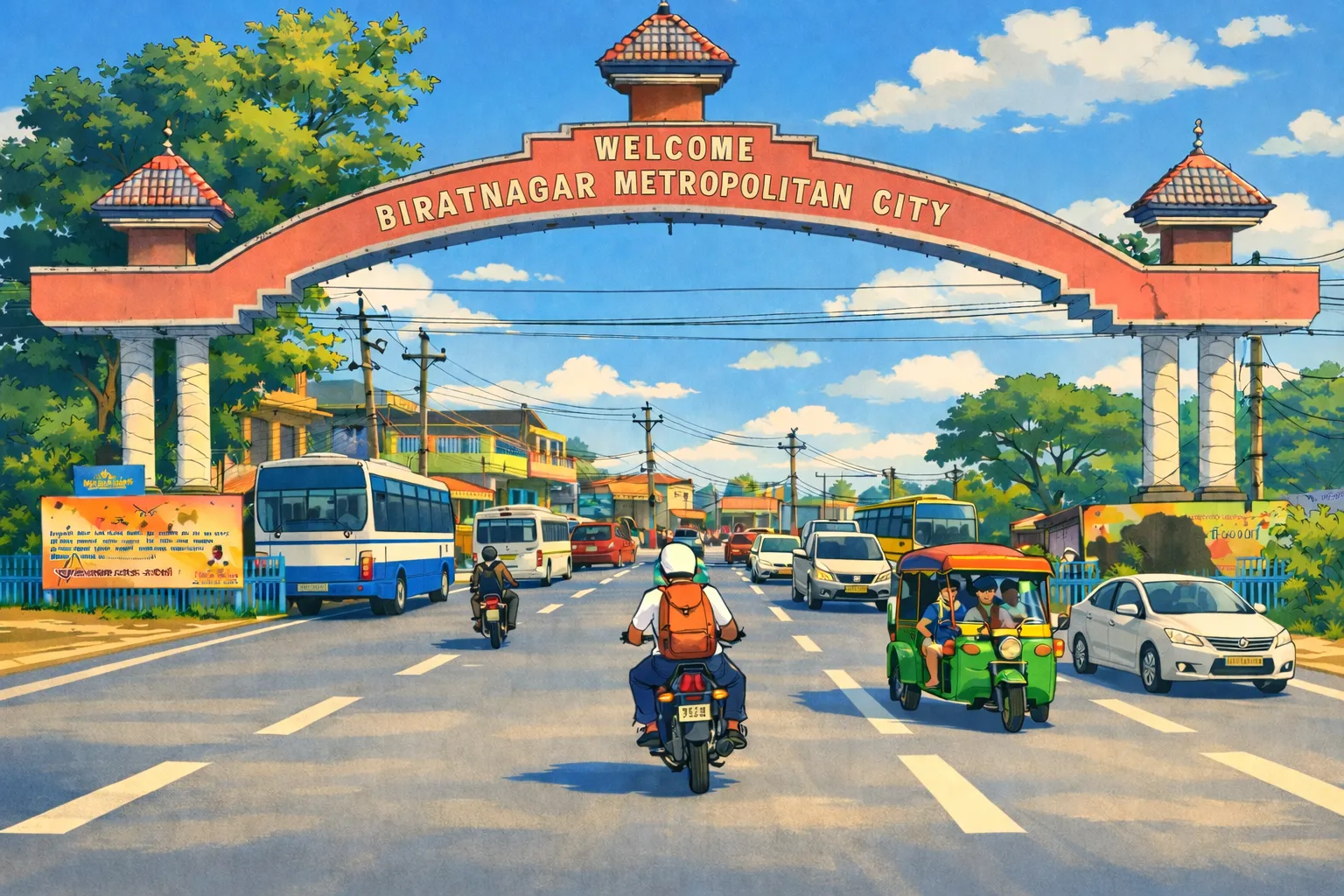
History
A City Forged in Revolution
From ancient trading routes to the birthplace of Nepal's democracy.
The Kingdom of Morang
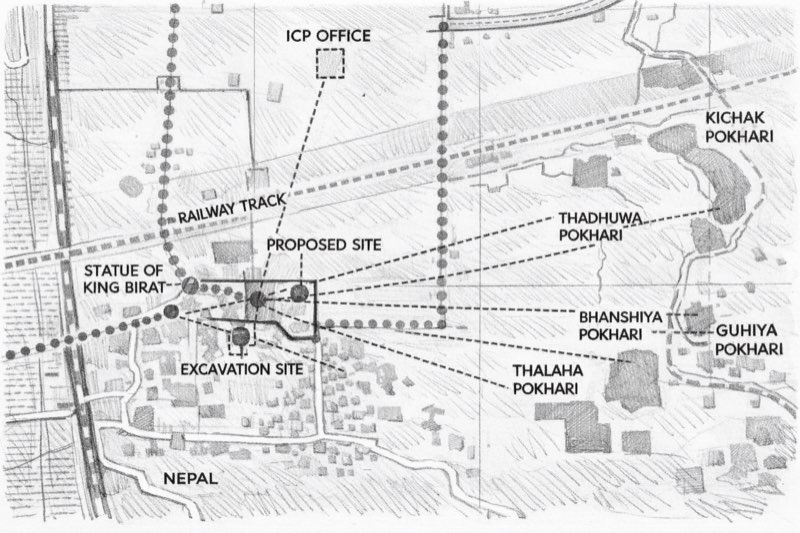
The region's recorded history stretches back to the 7th century, when King Mung Mawrong Hang ruled the area and built a town east of present-day Biratnagar, establishing the kingdom of Morang. The name "Birat" derives from the legendary King Virata of the Mahabharata, whose ancient ruins — temples and palaces — can still be found south of the city in Vedhyari and Buddhanagar, linking the land to one of South Asia's oldest epic traditions.
For centuries, Morang remained part of the Pallo Kirat (Limbuwan) region with its headquarters at Vijayapur. In 1830 BS (c. 1773 AD), Prithvi Narayan Shah sent an army led by Abhiman Singh Basnet, Ram Krishna Kunwar, and Amar Singh Thapa to conquer the Pallo Kirat. Morang was captured and merged with the expanding Kingdom of Nepal — beginning the region's long integration into the Nepali state.
The Kingdom of Morang
The region's recorded history stretches back to the 7th century, when King Mung Mawrong Hang ruled the area and built a town east of present-day Biratnagar, establishing the kingdom of Morang. The name "Birat" derives from the legendary King Virata of the Mahabharata, whose ancient ruins — temples and palaces — can still be found south of the city in Vedhyari and Buddhanagar, linking the land to one of South Asia's oldest epic traditions.
For centuries, Morang remained part of the Pallo Kirat (Limbuwan) region with its headquarters at Vijayapur. In 1830 BS (c. 1773 AD), Prithvi Narayan Shah sent an army led by Abhiman Singh Basnet, Ram Krishna Kunwar, and Amar Singh Thapa to conquer the Pallo Kirat. Morang was captured and merged with the expanding Kingdom of Nepal — beginning the region's long integration into the Nepali state.
Gograha Bazaar: The Trading Settlement
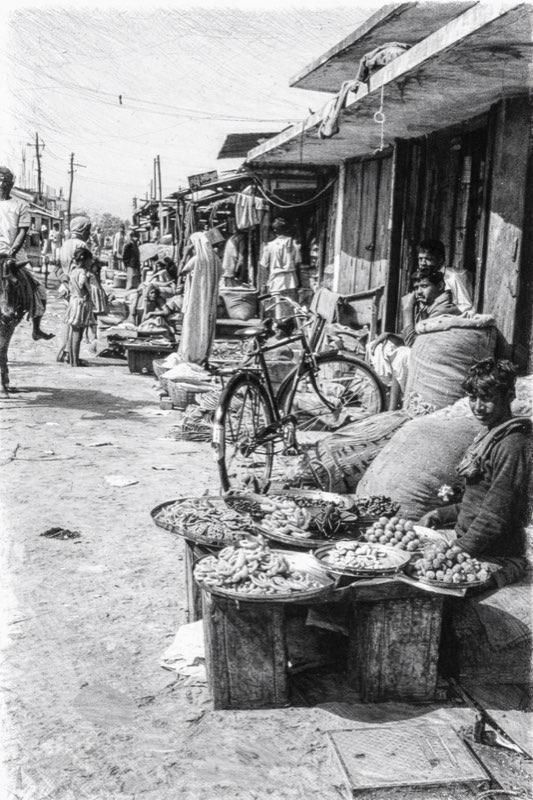
Long before it was called Biratnagar, the settlement was known as Gograha Bazaar — a bustling trading post that grew up around cross-border commerce. Its proximity to the Indian border at Jogbani, just 6 kilometers away, made it a vital hub for merchants trading in agricultural goods, textiles, and forest products. The commercial character forged in Gograha Bazaar would define the city for centuries to come.
The headquarters of Morang district had been at Vijayapur for a long time before being shifted to Rangeli, and then finally to Gograha Bazaar in 1914 AD — a move that would transform this trading settlement into the administrative center of the district.
Gograha Bazaar: The Trading Settlement
Long before it was called Biratnagar, the settlement was known as Gograha Bazaar — a bustling trading post that grew up around cross-border commerce. Its proximity to the Indian border at Jogbani, just 6 kilometers away, made it a vital hub for merchants trading in agricultural goods, textiles, and forest products. The commercial character forged in Gograha Bazaar would define the city for centuries to come.
The headquarters of Morang district had been at Vijayapur for a long time before being shifted to Rangeli, and then finally to Gograha Bazaar in 1914 AD — a move that would transform this trading settlement into the administrative center of the district.
Nepal's Oldest Hospital
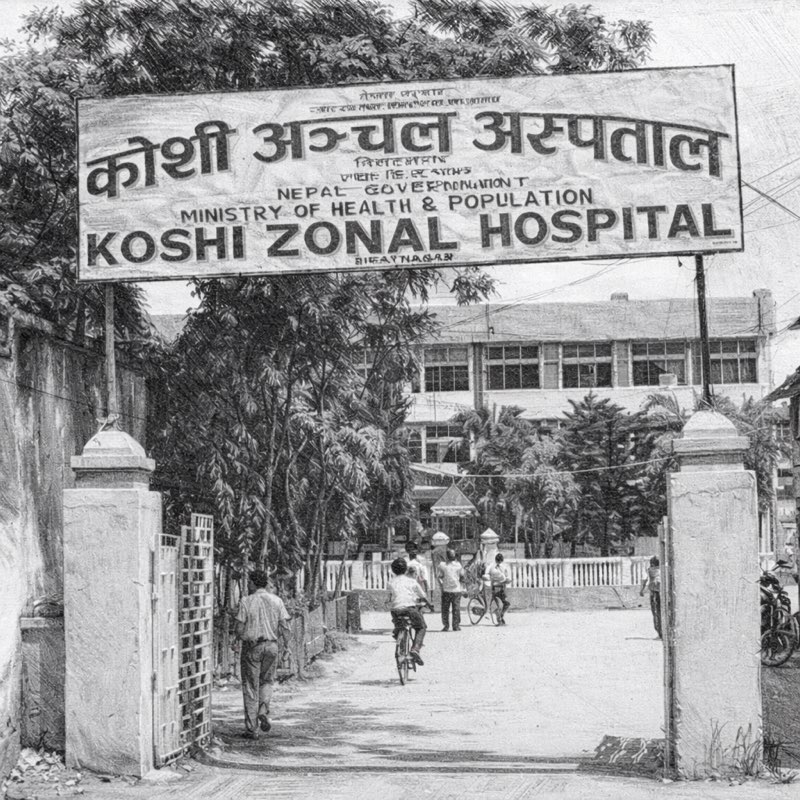
In 1947 BS (c. 1890 AD), Prime Minister Bir Shamsher established Bir Hospitals across different parts of the country, numbering them from east to west. Records engraved on wood at the original site confirm that the 1st Number Bir Hospital was established in Rangeli — the then district headquarters of Morang — making it potentially older than Bir Hospital in Kathmandu, which was opened in the same year. When the district headquarters shifted to Biratnagar in 1971 BS (c. 1914 AD), the hospital moved with it. Now known as Koshi Hospital, it has served the region for over 130 years — one of the oldest continuously operating hospitals in Nepal.
Nepal's Oldest Hospital
In 1947 BS (c. 1890 AD), Prime Minister Bir Shamsher established Bir Hospitals across different parts of the country, numbering them from east to west. Records engraved on wood at the original site confirm that the 1st Number Bir Hospital was established in Rangeli — the then district headquarters of Morang — making it potentially older than Bir Hospital in Kathmandu, which was opened in the same year. When the district headquarters shifted to Biratnagar in 1971 BS (c. 1914 AD), the hospital moved with it. Now known as Koshi Hospital, it has served the region for over 130 years — one of the oldest continuously operating hospitals in Nepal.
Birth of the Modern City
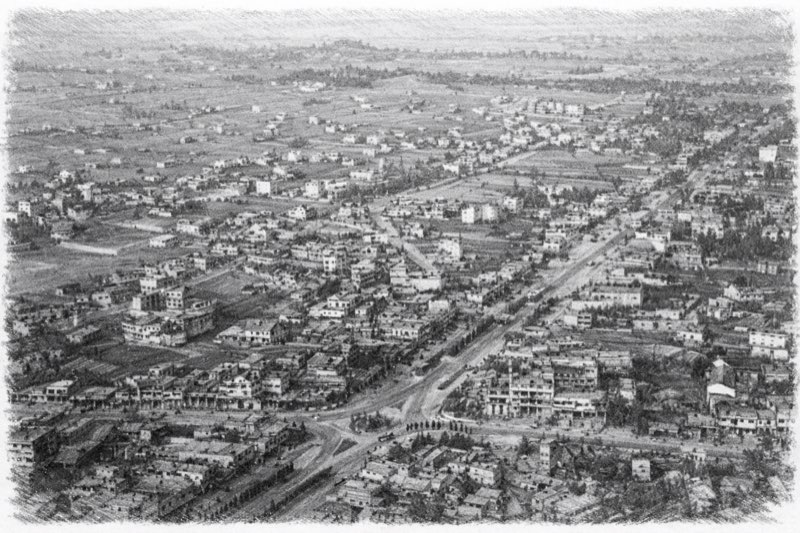
The modern city of Biratnagar was born in 1914, when the district governor relocated key administrative offices to Gograha Bazaar. This administrative consolidation transformed the trading settlement into a center of governance. Five years later, in 1919, the settlement was officially renamed Biratnagar — "City of Virata" — cementing its identity and setting the stage for its rise as one of Nepal's most important cities.
Birth of the Modern City
The modern city of Biratnagar was born in 1914, when the district governor relocated key administrative offices to Gograha Bazaar. This administrative consolidation transformed the trading settlement into a center of governance. Five years later, in 1919, the settlement was officially renamed Biratnagar — "City of Virata" — cementing its identity and setting the stage for its rise as one of Nepal's most important cities.
Birth of Nepali Industry
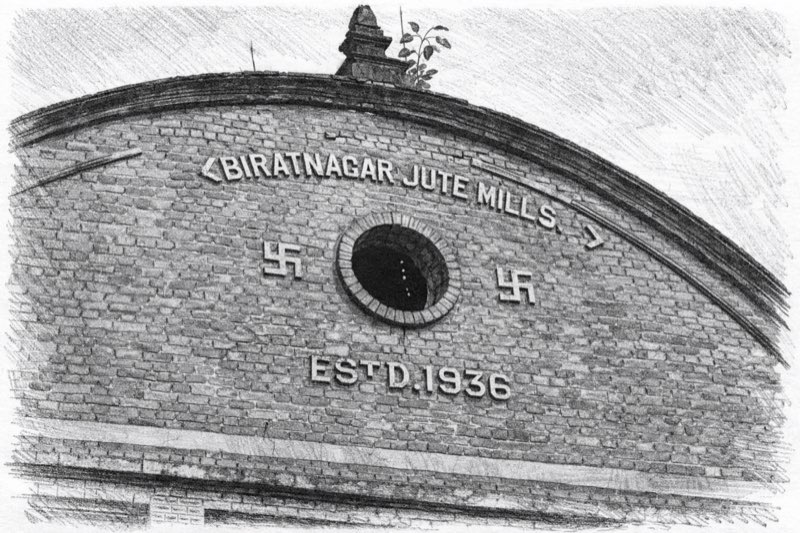
The establishment of the Biratnagar Jute Mill in 1936 marked a watershed moment — not just for the city, but for all of Nepal. It was the country's first large-scale industrial enterprise, transforming Biratnagar from a trading town into Nepal's industrial capital. The mill processed jute from the surrounding Terai fields and employed hundreds of workers, creating Nepal's first industrial working class.
The jute mill immensely benefited the country, with demand for jute products surging in the international market after World War II. Biratnagar's industrial corridor expanded rapidly — the Juddha Match Factory (1946), Raghupati Jute Mills (1946), Nepal Plywood and Bobbin Factory, Hulas Steel, and other enterprises followed, forming the Sunsari-Morang Industrial Corridor that remains Nepal's largest manufacturing belt to this day.
Birth of Nepali Industry
The establishment of the Biratnagar Jute Mill in 1936 marked a watershed moment — not just for the city, but for all of Nepal. It was the country's first large-scale industrial enterprise, transforming Biratnagar from a trading town into Nepal's industrial capital. The mill processed jute from the surrounding Terai fields and employed hundreds of workers, creating Nepal's first industrial working class.
The jute mill immensely benefited the country, with demand for jute products surging in the international market after World War II. Biratnagar's industrial corridor expanded rapidly — the Juddha Match Factory (1946), Raghupati Jute Mills (1946), Nepal Plywood and Bobbin Factory, Hulas Steel, and other enterprises followed, forming the Sunsari-Morang Industrial Corridor that remains Nepal's largest manufacturing belt to this day.
Nepal's First Community School
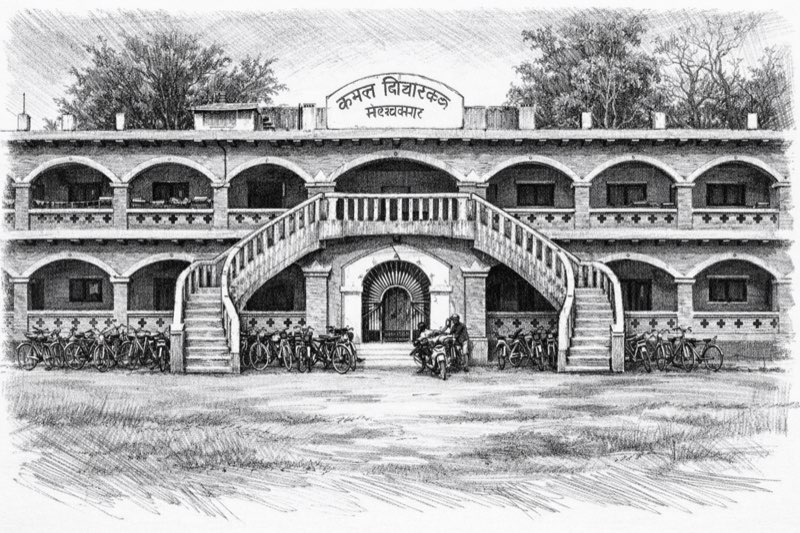
Krishna Prasad Koirala — patriarch of the Koirala political dynasty — opened Nepal's first community Sanskrit school in Biratnagar, a bold act of civic defiance during the Rana autocracy. Although formally inaugurated in 1940 AD under the name "Shri 3 Juddha High School" (a concession to the ruling Rana prime minister), the school reverted to its original name "Adarsh" after the democratic change of 1951 AD. The school became a symbol of Biratnagar's spirit of resistance and education — values that would fuel the city's role in Nepal's independence movement.
Nepal's First Community School
Krishna Prasad Koirala — patriarch of the Koirala political dynasty — opened Nepal's first community Sanskrit school in Biratnagar, a bold act of civic defiance during the Rana autocracy. Although formally inaugurated in 1940 AD under the name "Shri 3 Juddha High School" (a concession to the ruling Rana prime minister), the school reverted to its original name "Adarsh" after the democratic change of 1951 AD. The school became a symbol of Biratnagar's spirit of resistance and education — values that would fuel the city's role in Nepal's independence movement.
The Biratnagar Jute Mill Strike
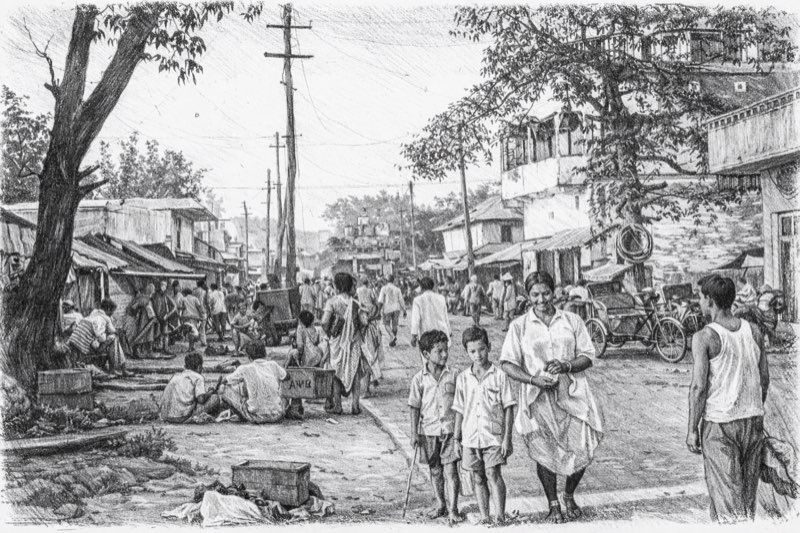
In March 1947, workers at the Biratnagar Jute Mill launched a historic strike demanding better wages and working conditions. But this was far more than a labor dispute — it became Nepal's first organized political movement against the autocratic Rana regime. Leaders like B.P. Koirala and Girija Prasad Koirala helped organize the movement. The strike is considered the beginning of Nepal's democratic revolution, and its legacy is celebrated to this day.
The Biratnagar Jute Mill Strike
In March 1947, workers at the Biratnagar Jute Mill launched a historic strike demanding better wages and working conditions. But this was far more than a labor dispute — it became Nepal's first organized political movement against the autocratic Rana regime. Leaders like B.P. Koirala and Girija Prasad Koirala helped organize the movement. The strike is considered the beginning of Nepal's democratic revolution, and its legacy is celebrated to this day.
Revolution and the Sons of Biratnagar
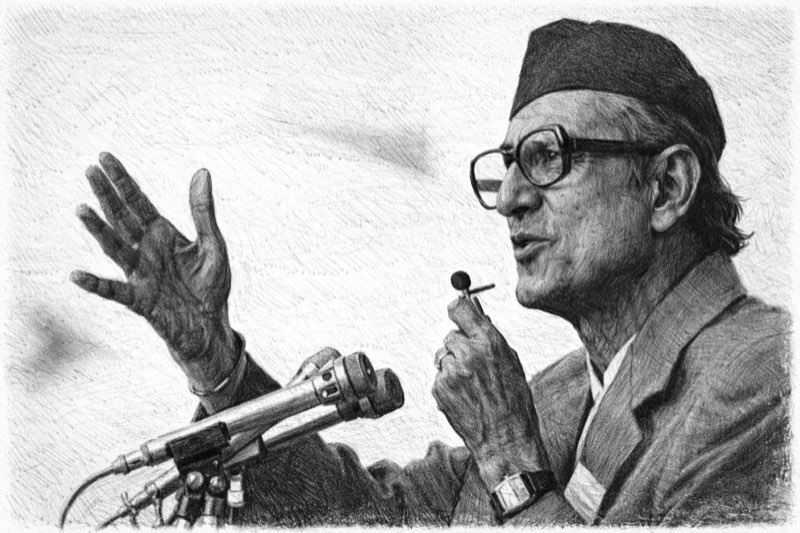
Biratnagar played a central role in the 1950–51 revolution that ended the 104-year Rana oligarchy. The city served as a staging ground for the democratic movement, with many of its leaders — including the Koirala family — based here. The revolution led to the establishment of a democratic system under King Tribhuvan, and Biratnagar's sons went on to lead the nation. B.P. Koirala became Nepal's first democratically elected Prime Minister in 1959.
Revolution and the Sons of Biratnagar
Biratnagar played a central role in the 1950–51 revolution that ended the 104-year Rana oligarchy. The city served as a staging ground for the democratic movement, with many of its leaders — including the Koirala family — based here. The revolution led to the establishment of a democratic system under King Tribhuvan, and Biratnagar's sons went on to lead the nation. B.P. Koirala became Nepal's first democratically elected Prime Minister in 1959.
Biratnagar Takes to the Skies
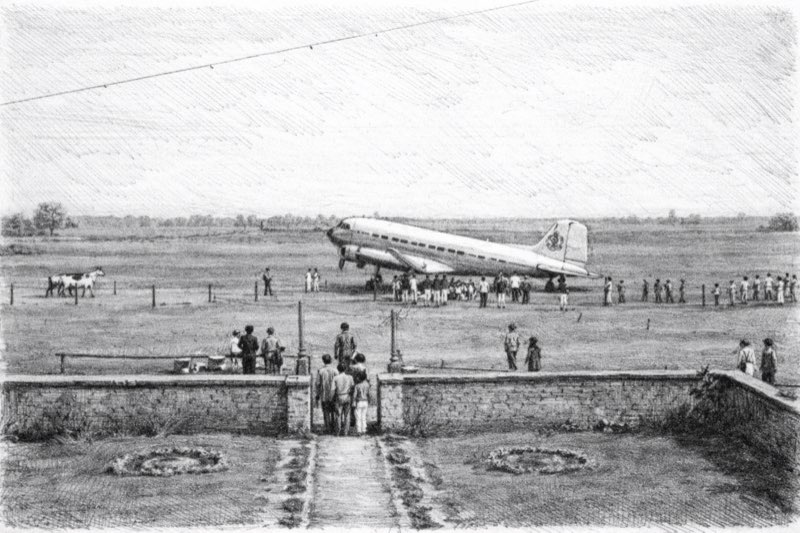
On July 3, 1958, Royal Nepal Airlines Corporation launched Douglas DC-3 Dakota flights to Biratnagar — one of Nepal's first four air routes alongside Simra, Pokhara, and Bhairahawa. With a 5,000-foot concrete runway and its own aviation fuel depot, Biratnagar Airport became the gateway to all of eastern Nepal. By 1960, RNAC operated a route to Patna, India, connecting onward to Delhi and Calcutta — making Biratnagar an international air link decades before most Nepali cities had paved roads. At its peak, the airport was served by Royal Nepal Airlines, Buddha Air, Yeti Airlines, and others, consistently ranking as Nepal's third busiest airport. It remains the only site of a hijacking in Nepali aviation history — a 1973 incident involving a Biratnagar-to-Kathmandu flight. Today, a Rs 15 billion modernization is underway to transform it into Nepal's largest domestic terminal, with plans for regional international flights to Bangladesh, Bhutan, and Kolkata.
Biratnagar Takes to the Skies
On July 3, 1958, Royal Nepal Airlines Corporation launched Douglas DC-3 Dakota flights to Biratnagar — one of Nepal's first four air routes alongside Simra, Pokhara, and Bhairahawa. With a 5,000-foot concrete runway and its own aviation fuel depot, Biratnagar Airport became the gateway to all of eastern Nepal. By 1960, RNAC operated a route to Patna, India, connecting onward to Delhi and Calcutta — making Biratnagar an international air link decades before most Nepali cities had paved roads. At its peak, the airport was served by Royal Nepal Airlines, Buddha Air, Yeti Airlines, and others, consistently ranking as Nepal's third busiest airport. It remains the only site of a hijacking in Nepali aviation history — a 1973 incident involving a Biratnagar-to-Kathmandu flight. Today, a Rs 15 billion modernization is underway to transform it into Nepal's largest domestic terminal, with plans for regional international flights to Bangladesh, Bhutan, and Kolkata.
The Koshi Highway: Connecting the Hills
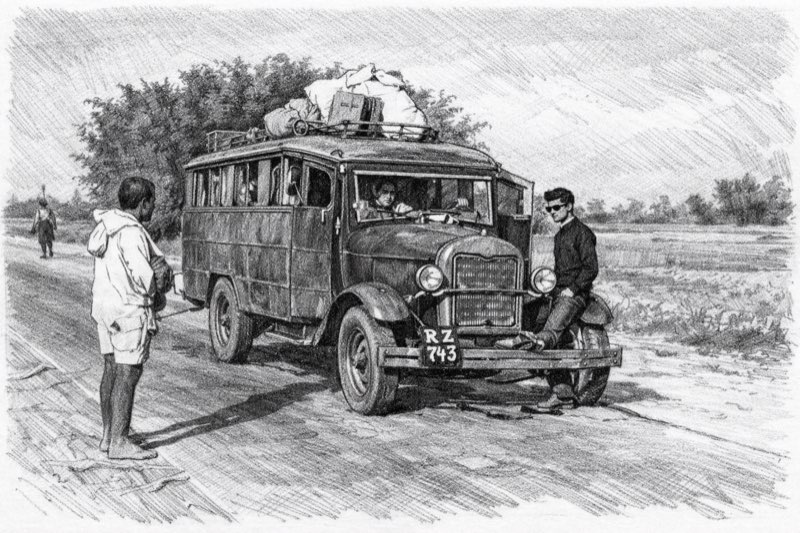
In the 1970s, Biratnagar was connected to Dhankuta through the Koshi Highway, a project that proved crucial for the socio-economic development of the entire eastern development region. The Dharan–Dhankuta section was a first-of-its-kind engineering challenge for Nepal — requiring what geologists called a "mountain model" to navigate the challenging foothills of the Himalayas. The highway opened up the hill districts to trade, healthcare, and education centered in Biratnagar, cementing the city's role as the gateway to eastern Nepal.
The Koshi Highway: Connecting the Hills
In the 1970s, Biratnagar was connected to Dhankuta through the Koshi Highway, a project that proved crucial for the socio-economic development of the entire eastern development region. The Dharan–Dhankuta section was a first-of-its-kind engineering challenge for Nepal — requiring what geologists called a "mountain model" to navigate the challenging foothills of the Himalayas. The highway opened up the hill districts to trade, healthcare, and education centered in Biratnagar, cementing the city's role as the gateway to eastern Nepal.
Industrial Expansion
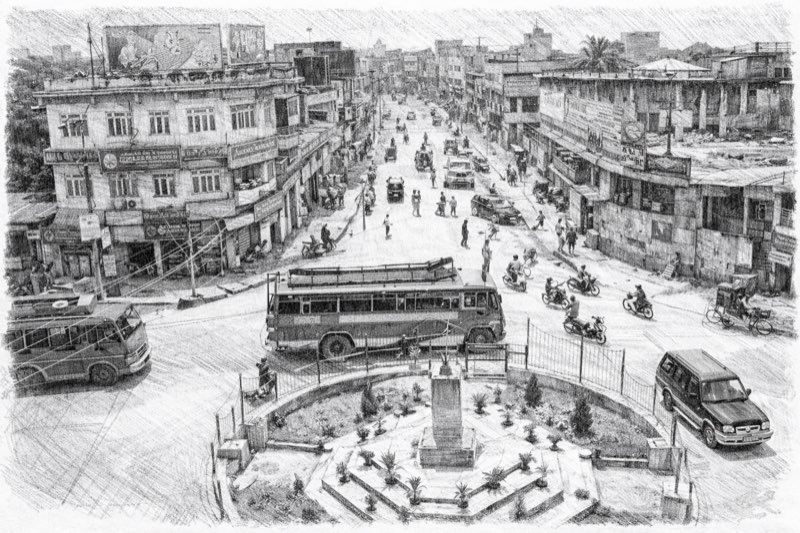
Through the Panchayat era and beyond, Biratnagar continued to grow as Nepal's industrial powerhouse. Steel mills, textile factories, cement plants, and food processing units established operations in and around the city. The Biratnagar Industrial District became the most productive manufacturing zone in Nepal. Despite political upheavals at the national level, the city's entrepreneurial spirit endured.
Industrial Expansion
Through the Panchayat era and beyond, Biratnagar continued to grow as Nepal's industrial powerhouse. Steel mills, textile factories, cement plants, and food processing units established operations in and around the city. The Biratnagar Industrial District became the most productive manufacturing zone in Nepal. Despite political upheavals at the national level, the city's entrepreneurial spirit endured.
Metropolitan City Status
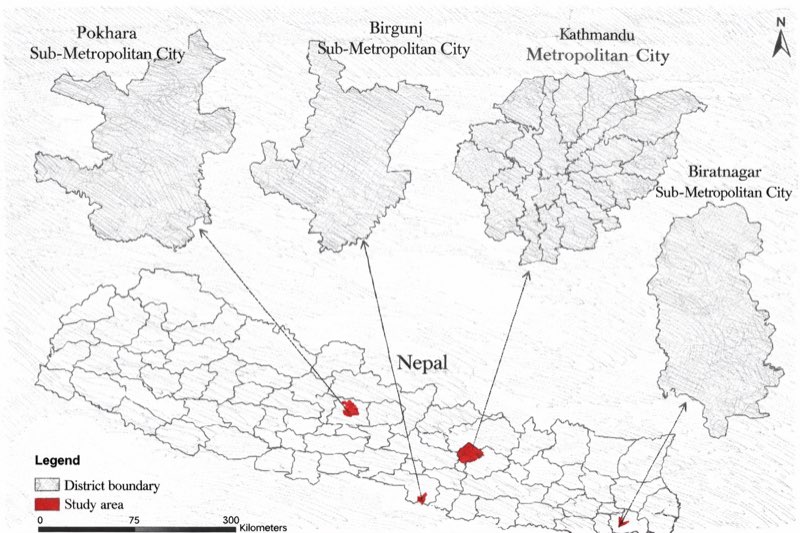
In 2017, as part of Nepal's federal restructuring, Biratnagar was designated as a Metropolitan City — one of only six in all of Nepal. This recognition reflected the city's population, economic importance, and administrative significance. The metropolitan status brought expanded municipal powers and resources for urban development.
Metropolitan City Status
In 2017, as part of Nepal's federal restructuring, Biratnagar was designated as a Metropolitan City — one of only six in all of Nepal. This recognition reflected the city's population, economic importance, and administrative significance. The metropolitan status brought expanded municipal powers and resources for urban development.
Capital of Koshi Province
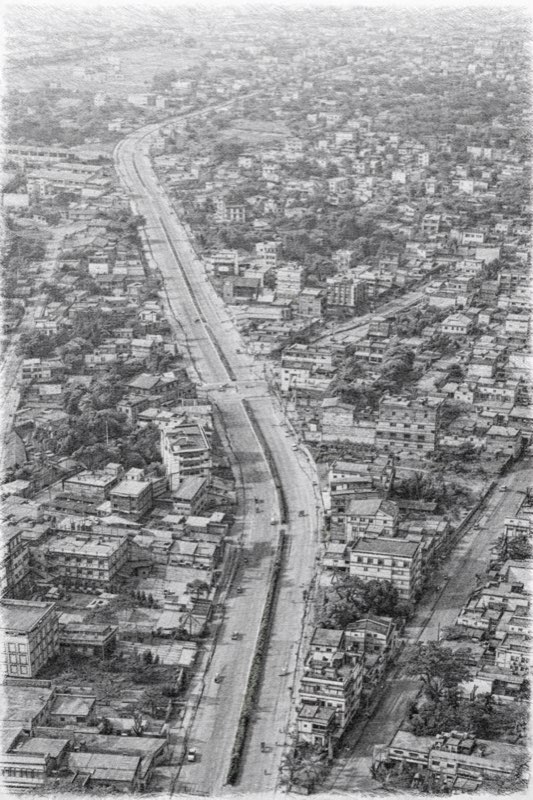
With Nepal's transition to federalism, Biratnagar was named the capital of Koshi Province — the easternmost of Nepal's seven provinces. This province stretches from the Terai plains to the summit of Mount Everest, and Biratnagar now serves as its administrative, economic, and political center. Major infrastructure projects — a new international-standard airport terminal, the Koshi Province Hospital, and the Koshi Highway connecting to China — signal the beginning of a new era for the city.
Capital of Koshi Province
With Nepal's transition to federalism, Biratnagar was named the capital of Koshi Province — the easternmost of Nepal's seven provinces. This province stretches from the Terai plains to the summit of Mount Everest, and Biratnagar now serves as its administrative, economic, and political center. Major infrastructure projects — a new international-standard airport terminal, the Koshi Province Hospital, and the Koshi Highway connecting to China — signal the beginning of a new era for the city.
Gen-Z Revolution & A Daughter of Biratnagar
In 2025, Nepal erupted again — this time led by Gen-Z. Thousands of young Nepalis, organized through social media and a now-famous Discord call, took to the streets demanding accountability from a political class they had grown up disillusioned with. The protests forced the fall of the sitting government — and when the dust settled, it was a daughter of Biratnagar who rose to the occasion.
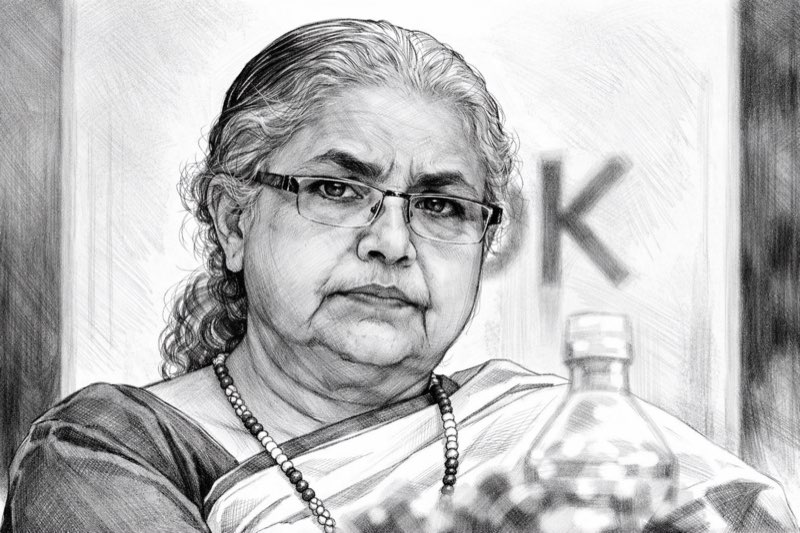
Sushila Karki, the Chief Justice and a native of the Koshi region, became Nepal's interim Prime Minister — the first woman to hold the office. In a country whose democratic journey began on the streets of Biratnagar in 1947, the symmetry was unmistakable: nearly eight decades later, the city's political legacy had come full circle, this time carried forward by a new generation and crowned by one of its own.
Gen-Z Revolution & A Daughter of Biratnagar
In 2025, Nepal erupted again — this time led by Gen-Z. Thousands of young Nepalis, organized through social media and a now-famous Discord call, took to the streets demanding accountability from a political class they had grown up disillusioned with. The protests forced the fall of the sitting government — and when the dust settled, it was a daughter of Biratnagar who rose to the occasion.
Sushila Karki, the Chief Justice and a native of the Koshi region, became Nepal's interim Prime Minister — the first woman to hold the office. In a country whose democratic journey began on the streets of Biratnagar in 1947, the symmetry was unmistakable: nearly eight decades later, the city's political legacy had come full circle, this time carried forward by a new generation and crowned by one of its own.
The People Behind the History
Biratnagar's story was written by extraordinary individuals. Meet the leaders who shaped Nepal from this city.
Meet Notable People